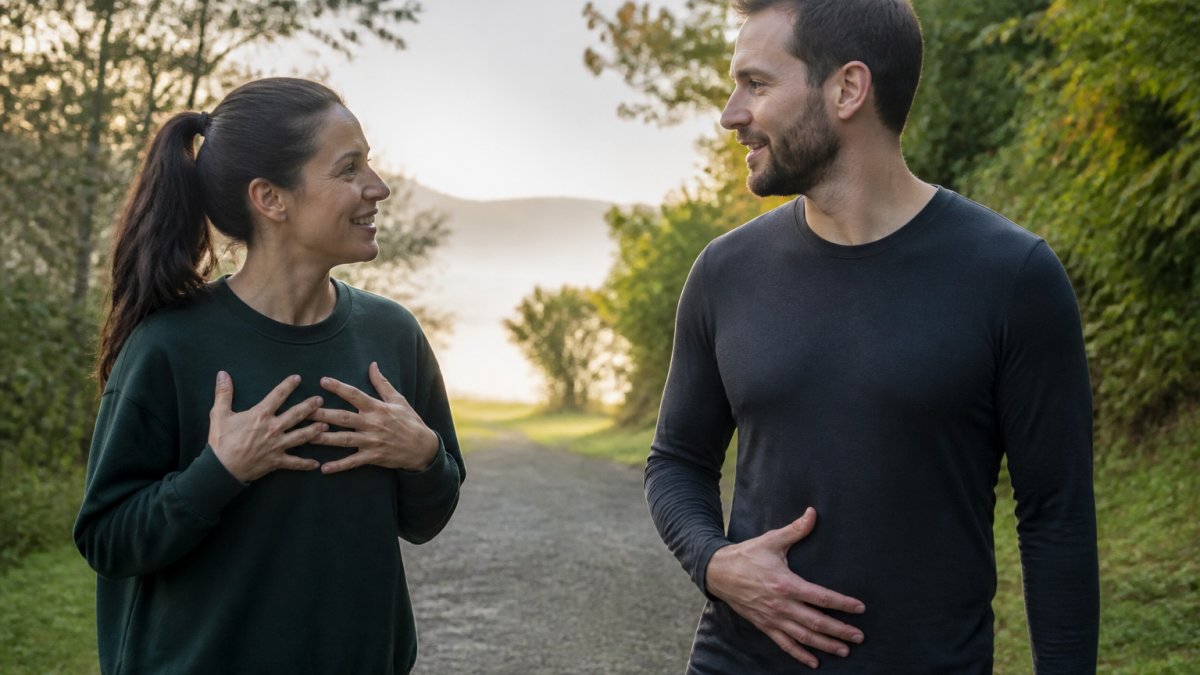
 blog
blog
Somatic Healing Retreats for Singles: 2026 Guide
Table of Contents
- Why Singles Choose Somatic Healing Retreats
- Somatic Therapy for Singles: How Body-Based Healing Works
- What to Expect From Intimacy Retreats: A Day-by-Day Overview
- Trauma-Informed Healing Retreats: What Sets Them Apart
- Solo Travel Safety and Social Dynamics for Singles
- Budget-Friendly vs. Luxury Somatic Healing Retreats: Pricing Breakdown
- How to Choose the Right Somatic Healing Retreat for You
- Frequently Asked Questions
Last Updated: September 10, 2026
Why Singles Choose Somatic Healing Retreats
Somatic healing retreats for singles are immersive programs that use body-based practices, nervous system regulation, and trauma-informed care to help individuals reconnect with their bodies and desires outside the pressure of dating. People often arrive exhausted by apps, performative intimacy, and a nagging sense that they've been living above the neck for years.
Dating app fatigue is real, and it shows up in the body before it shows up in conversation. A common mistake is treating that numbness as a mindset problem when it's often a nervous system problem. Somatic healing retreats for singles address it at the source.
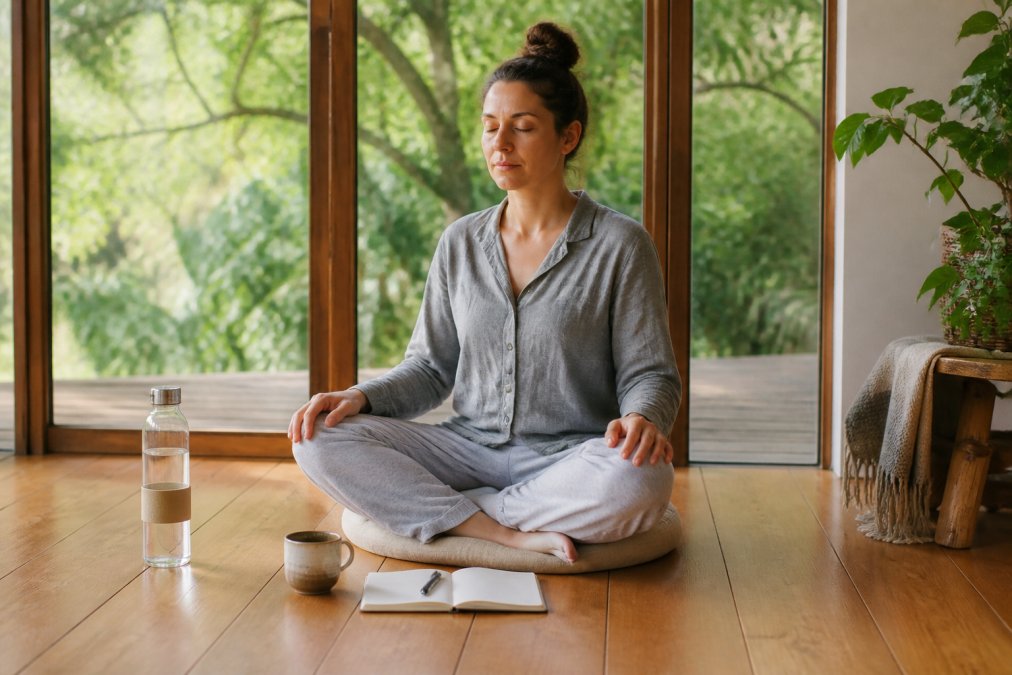
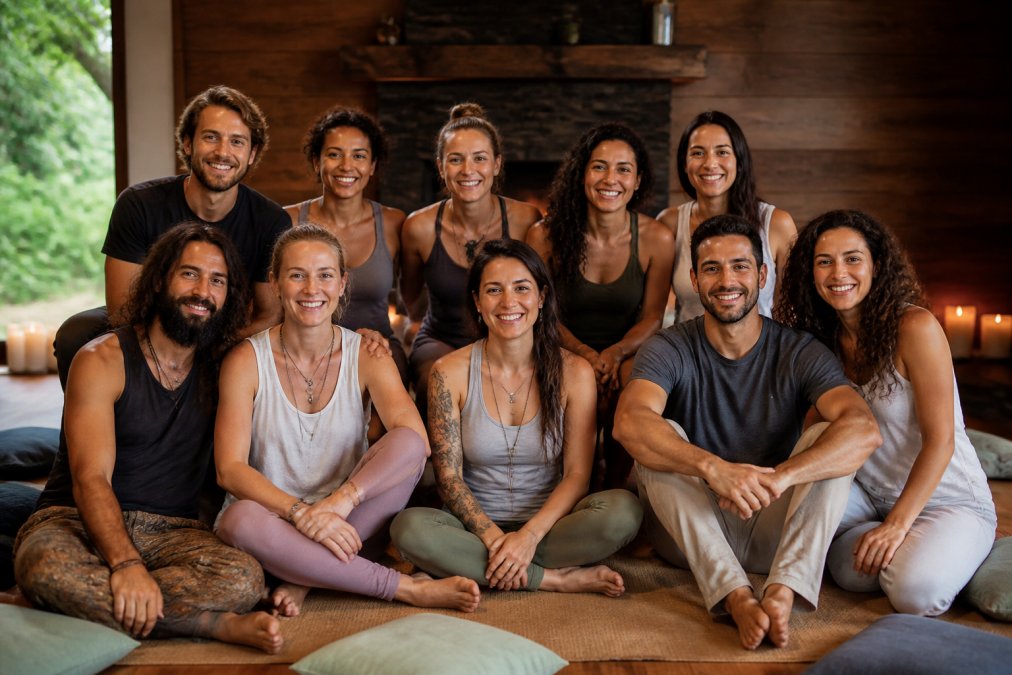
Dating App Fatigue and Body Disconnection
Endless swiping trains you to evaluate and be evaluated in seconds. Over time, many people describe a kind of shutdown during intimacy: going through the motions while feeling absent. Somatic therapy for singles treats that shutdown as information, not a personal failing.
The work is slow and deliberate. Breathwork, grounding techniques, and guided movement help the body register safety again. The National Institute of Mental Health overview of stress and the body explains how chronic stress keeps the nervous system in a guarded state, which is exactly what makes genuine connection feel out of reach.
Somatic Therapy for Singles: How Body-Based Healing Works
Somatic therapy for singles is a body-based approach that tracks sensation, breath, and movement rather than analyzing the past in words alone. Instead of asking "why do I feel this way," it asks "where do I feel this, and what happens if I stay with it?"
Three elements define the work:
- Nervous system regulation: learning to move between activation and calm on purpose
- Embodiment practices: noticing sensation without judgment or performance
- Trauma-informed pacing: the client sets the speed, always
This is client-led by design. A therapist never pushes past a boundary, because the boundary itself is the material. People who have spent years in talk therapy often find that body-based healing reaches what conversation alone couldn't, particularly around intimacy-related shame.
What to Expect From Intimacy Retreats: A Day-by-Day Overview
Most intimacy retreats follow a similar arc: arrival and orientation, then alternating sessions of breathwork, movement, and guided meditation, with unstructured integration time built in. Expect roughly two to three structured sessions per day, not a packed schedule. The rhythm matters more than the content, a nervous system that never gets a gap between activations can't consolidate what it learned.
Here's how a typical five-day singles retreat tends to break down.
Day 1, Arrival and orientation. Low-demand by design. Facilitators walk through consent agreements, group norms, and how to opt out of any exercise without explanation. You'll usually get a tour, a light meal, and an early night. A common first-timer mistake is arriving already depleted from travel and treating the opening circle as a performance.
Day 2, Grounding and body literacy. Morning breathwork, often a simple coherent-breathing pattern (roughly five to six breaths per minute) to shift the nervous system toward parasympathetic tone. Midday introduces tracking sensation, noticing where in the body a feeling lives before naming it. Evening is restorative: yin-style movement, journaling, or silence.
Day 3, Activation and movement. The most physically engaged day. Movement therapy, sometimes partnered exercises with clear opt-out language, and guided somatic awareness. This is often where intensity peaks and where solo time is most deliberately scheduled.
Day 4, Integration and meaning-making. Fewer structured sessions, more reflection. Some programs include an individual session here; ask whether that's bundled or extra. Group sharing tends to deepen because the container has had time to settle.
Day 5, Closing and forward planning. A closing circle, a written integration plan, and, at well-run programs, a scheduled follow-up call weeks later.
Arrival, Orientation, and Building a Safe Container
The first day is deliberately low-demand. Facilitators explain consent agreements, group norms, and how to opt out of any exercise without explanation. That structure is what practitioners call a safe container, and it's the single biggest predictor of whether the week works.
Sleep, food, and quiet time matter more than most first-timers expect. A common mistake is treating the retreat like a fitness bootcamp and arriving depleted. If the program offers a pre-arrival intake call, that's where you can flag triggers, dietary needs, and any history a facilitator should know.
Trauma-Informed Healing Retreats: What Sets Them Apart
Trauma-informed healing retreats differ from standard wellness programs in one structural way: the participant holds authority over every exercise. There is no "everyone participates" default, no surprise physical contact, and no pressure to disclose history.
Look for these markers before booking:
- Written consent framework shared before arrival
- Facilitators trained in somatic experiencing or comparable modalities
- Clear policy on touch, nudity, and physical contact
- Access to individual support if group work becomes overwhelming
- A stated referral process for participants who need clinical care
The Substance Abuse and Mental Health Services Administration guidance on trauma-informed care outlines principles that any credible retreat should reflect, including safety, peer support, and empowerment.
Solo Travel Safety and Social Dynamics for Singles
Solo travel safety for a healing retreat comes down to three things: verified accommodations, a clear arrival plan, and a facilitator who knows who is on site. Ask for the address, a contact number, and what happens if you arrive late. Share your itinerary with someone at home, keep your phone charged, and confirm whether the venue has cell service, many rural retreat centers don't.
A few logistics worth locking down before you book:
- Arrival window. Confirm the earliest and latest check-in times, and whether a staff member will meet you.
- Roommate policy. If lodging is shared, ask whether roommates are matched by gender, age, or stated preference, and whether a single room is available for an upcharge.
- Medical proximity. Know the nearest urgent care or hospital and how long it takes to reach it.
- Emergency contact. Get a direct number for the lead facilitator, not just a general inbox.
- Refund and cancellation terms. Get them in writing, including what happens if you leave early.
The Social Side Nobody Talks About
Here's the gap most retreat guides skip: singles-focused retreats are not dating events, and the best ones say so explicitly. That distinction is what makes them work. Without the low-grade pressure of "is this person a prospect," group work tends to move faster and friendships form quickly, often faster than participants expect.
The flip side is that intensity can spike. Group bonding in a trauma-informed container can feel like instant intimacy, and it's easy to mistake that for a romantic connection. Well-run programs build in solo time specifically to prevent group pressure from replacing individual process, and many publish a clear norm: no romantic or sexual pursuit of fellow participants during the retreat.
If that norm isn't stated, ask. A program that hasn't thought about it probably hasn't thought about other boundaries either.
How to Connect Without It Turning Into Dating
Platonic connection in a healing container has its own etiquette. A few practices that experienced participants and facilitators tend to recommend:
- Name your intention out loud. "I'm here for my own process, not to meet someone" is a complete sentence and it sets the tone for the room.
- Use the buddy system for off-site time. Pair up for walks, meals, or town trips, it's safer and it deepens friendships.
- Respect the silence. Many programs include noble silence periods; don't fill them with small talk.
- Keep contact info exchanges for the last day. Trading numbers mid-retreat can pull attention out of the work.
- Plan a low-key reunion. A group chat or a virtual check-in a month later keeps the connection alive without turning it into a dating dynamic.
Budget-Friendly vs. Luxury Somatic Healing Retreats: Pricing Breakdown
Pricing depends on location, length, group size, and whether individual sessions are included. Pricing depends on location, length, group size, and whether individual sessions are included. Check directly with any provider for current rates.
What separates budget from luxury is rarely the quality of the therapy. It's accommodation, privacy, and ratio of facilitators to participants.
| Tier | Typical Format | What Drives Cost | Best For |
|---|---|---|---|
| Budget-friendly | Shared lodging, group sessions, 3-5 days | Location and group size | First-timers testing the format |
| Mid-range | Private room, group plus one individual session | Facilitator ratio | People wanting personal attention |
| Luxury | Private accommodation, daily 1:1 work, longer stay | Privacy and staff ratio | Deep, uninterrupted immersion |
What's Typically Included in the Cost
Most programs bundle lodging, meals, group sessions, and materials. Individual sessions, airport transfers, and follow-up coaching are frequently extra. Ask for a written inclusion list before you commit, and confirm the cancellation policy in writing.
How to Choose the Right Somatic Healing Retreat for You
Choose based on facilitator training, group size, and whether the program offers post-retreat support, not on the venue photos. A retreat that ends without an integration plan tends to fade within weeks.
Questions worth asking before booking:
- What training do facilitators hold, and in which modality?
- How many participants per facilitator?
- Is there any individual session time included?
- What happens if I need to stop an exercise?
- What does follow-up support look like?
The BodyVox runs private 1:1 immersions and global retreats built around a trauma-informed, client-led approach, including retreat programming for GBTQ men and one-to-one immersion work, so participants can pace the process to their own nervous system. For those who'd rather not wait for a scheduled group date, Private 1:1 Immersions for Individuals and Couples offer the same body-based work in a format shaped entirely around one person's pace.
Post-Retreat Integration: Making Changes Last
Post-retreat integration is where most of the value is won or lost. The nervous system learned something new in a supported environment; the work is teaching it to hold that learning at home.
Practical integration looks like this:
- One short daily practice, 10 to 15 minutes, not an hour
- A standing weekly check-in with a therapist or coach
- Naming one boundary you'll practice in real situations
- Expecting a dip in mood around week two, which is normal
Dating app fatigue, numbness, and shame around desire don't resolve through willpower, and they rarely resolve through talk alone. The body needs to learn safety at its own pace, in a container built for it. The BodyVox offers somatic sex and intimacy coaching, surrogate partner therapy, and couples coaching through a trauma-informed, client-led approach, with private 1:1 immersions and global retreats designed around your nervous system rather than a fixed script. Book a call with The BodyVox and start building the embodied connection you've been looking for.
Frequently Asked Questions
Can you do somatic therapy alone?
You can practice basic somatic awareness alone, such as grounding techniques or breathwork. However, somatic healing retreats for singles provide a trained facilitator who can guide you through emotional release and ensure safety. Working alone risks bypassing or overwhelming your nervous system without support. A trauma-informed practitioner helps you stay within your window of tolerance and process what arises.
How much does a somatic experiencing session cost?
Costs vary widely by provider, location, and session length. Pricing depends on the program's duration and inclusions. Contact The BodyVox directly for current rates and available packages.
What should I look for in a somatic healing retreat?
Look for trauma-informed facilitators with formal training in somatic modalities. Check whether the retreat creates a safe container with clear boundaries and consent practices. Ask about group size, integration support, and whether the program is client-led. For singles, solo travel safety and social dynamics matter. Verify credentials and read testimonials. The BodyVox, for example, is affiliated with IPSA and SSEA.
Can I go to a wellness retreat alone?
Yes, many people attend wellness retreats solo. Somatic healing retreats for singles are designed for individual attendees, with group activities that respect personal space. You will likely meet other singles with similar goals. Solo travel safety is a priority: choose a reputable retreat, share your itinerary with someone you trust, and confirm the venue's location and transportation options.