 How-to
Mindful Breathing Techniques for Sexual Anxiety: A How-To
Last Updated: November 5, 2026
Quick Summary
Mindful breathing eases sexual anxiety by calming the nervous system, mainly through slow exhales that shift the body out of fight-or-flight. Practicing diaphragmatic breathing before intimacy and using short, discreet breath cycles during sex can reduce tension, slow racing thoughts and help you stay present.
- Make the exhale longer than the inhale to shift the body toward calm.
- Practice diaphragmatic breathing for five minutes daily for a week before trying it during intimacy.
- Use the 4-2-6 reset: inhale for 4, hold for 2, exhale for 6, repeated three times.
- Breathe through the nose when you can, since it supports CO2 balance and slows your pace.
- Relax the pelvic floor, jaw and shoulders on each exhale to release physical tension.
Table of Contents
- How Breathing Affects the Nervous System During Sex
- How to Practice Diaphragmatic Breathing Before Intimacy
- Breathing Exercises for Performance Anxiety in the Moment
- Sexual Mindfulness Exercises for Staying Present
- Syncing Breath With a Partner
- Communication Scripts for Talking About Sexual Anxiety
- Booking Your First Somatic Session With The BodyVox
- Frequently Asked Questions
Mindful breathing can calm the body's stress response before and during intimacy, which is why many people use it to ease sexual anxiety.
Sexual anxiety is the worry or pressure that builds around sex, often tied to performance, past experiences or fear of judgment. Breathing matters here because the breath signals the nervous system whether it is safe to relax.
How Breathing Affects the Nervous System During Sex
The breath is one of the few voluntary controls you have over an involuntary system.
The Two Branches, in Plain Terms
The autonomic nervous system runs two opposing modes. The sympathetic branch governs fight-or-flight: heart rate up, blood diverted to large muscles, digestion paused, breath fast and shallow. The parasympathetic branch governs rest, digestion, and, critically for sex, arousal and erection. Sexual response needs both: a sympathetic spark of desire, then a parasympathetic shift to sustain blood flow and sensation.
Why the Exhale Is the Lever
Breathing is unusual because it straddles both branches. Inhalation is mildly sympathetic, heart rate speeds up slightly on the in-breath. Exhalation is parasympathetic, heart rate slows on the out-breath. This is called respiratory sinus arrhythmia, and it is why lengthening the exhale relative to the inhale reliably shifts you toward calm. A 4-in, 6-out pattern is not magic; it is simply a ratio that favors the parasympathetic side.
What Happens to Arousal When You Slow Down
When you slow the breath, several things happen at once: heart rate variability rises (a marker of a flexible, well-regulated nervous system), blood pressure tends to ease, and muscle tension in the jaw, shoulders, and pelvic floor drops. For sex specifically, that last point matters most. A clenched pelvic floor restricts blood flow and dulls sensation; a relaxed one supports arousal.
The CO2 Piece Most Guides Skip
Breath patterns affect carbon dioxide tolerance, and CO2 tolerance affects how calm you feel under stress. Chronic overbreathing, fast, upper-chest, mouth-heavy breathing, lowers CO2 in the blood, which narrows blood vessels and can leave you feeling air-hungry and anxious even when you are getting plenty of oxygen. Nasal, slower breathing helps restore CO2 balance, which is one reason nasal breathing tends to feel steadier than mouth breathing during exertion.
Why the Mind Races When the Breath Is Shallow
Shallow chest breathing is both a symptom and a driver of anxiety. When the breath is high and fast, the brain receives feedback consistent with threat, and attention narrows toward self-monitoring, "Am I hard enough? Am I taking too long?", which pulls you out of sensation and into evaluation. Slow belly breathing interrupts that loop by changing the feedback the brain receives.
What This Means Practically
You do not need to master the physiology to benefit from it. Three principles follow directly from the mechanism:
- Favor the exhale. Make the out-breath longer than the in-breath.
- Breathe through the nose when you can. It supports CO2 balance and slows the pace naturally.
- Relax the pelvic floor on the exhale. Pair each long exhale with a deliberate softening of the jaw, shoulders, and pelvic floor.
Watch out: If you have a history of panic attacks or a respiratory condition, very slow breathing or breath holds can occasionally trigger dizziness or anxiety. Start with gentle pacing and stop if you feel worse, not better.
How to Practice Diaphragmatic Breathing Before Intimacy
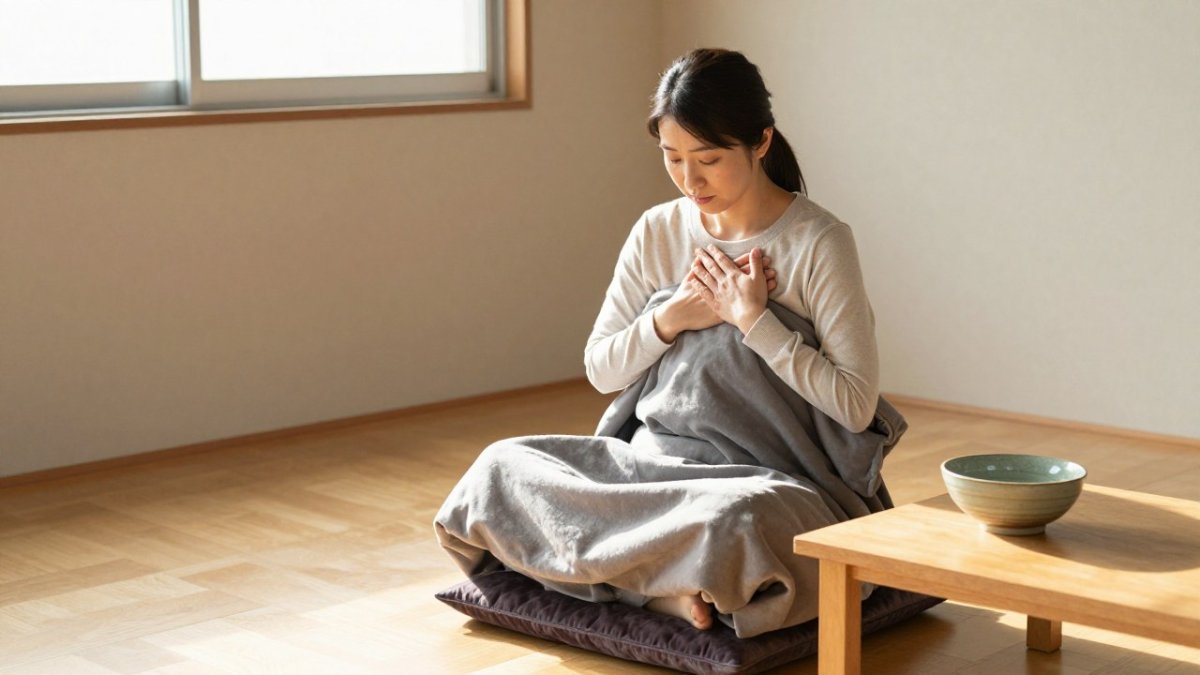
Diaphragmatic breathing, sometimes called deep belly breathing, uses the diaphragm instead of the chest.
- Lie on your back with one hand on your chest and one on your belly.
- Breathe in slowly through your nose so your belly rises more than your chest.
- Exhale gently through your mouth, letting your belly fall.
- Repeat for five minutes, aiming for about six breaths per minute.
Practice this daily for a week before trying it during intimacy. Watch out: if you feel lightheaded, slow the pace and breathe more gently.
The four steps below are easier to follow when you can see the timing and frequency at a glance.
| Step | What to do | Time or frequency |
|---|---|---|
| 1 | Lie on your back, one hand on chest, one on belly | Before starting |
| 2 | Breathe in slowly through the nose so the belly rises | Slow inhale |
| 3 | Exhale gently through the mouth, letting belly fall | Gentle exhale |
| 4 | Repeat, aiming for about six breaths per minute | Five minutes daily for a week |
Breathing Exercises for Performance Anxiety in the Moment
Most guides stop at pre-sex meditation. The harder skill is breathing during intimacy, when your heart rate is up, your attention is split, and stopping to "do a breathing exercise" would break the moment. The techniques below are designed to be invisible, small enough to use without pausing, explaining, or drawing attention. For a deeper explanation of calming the fight-or-flight response during intimacy, see Calm Fight-or-Flight During Sex: A Somatic Guide.
The 4-2-6 Reset (Discreet, Mid-Encounter)
Use this when you notice the first signs of anxiety: jaw tightening, breath moving into your chest, or your mind starting to monitor yourself instead of feel.
- Inhale through your nose for a count of 4.
- Hold gently for 2, no strain, no clamping.
- Exhale through your nose or barely parted lips for 6.
Repeat three times. The long exhale is the active ingredient: it nudges the parasympathetic response and slows heart rate without requiring you to stop what you are doing. You can run this while kissing, while your partner is distracted, or during a natural pause. Three cycles takes under 40 seconds.
Watch out: If you feel lightheaded or air-hungry, drop the hold entirely and just do a 4-in, 6-out cycle. Breath holds are not the point, the extended exhale is.
The Physiological Sigh (Fastest Downshift)
When anxiety spikes hard, a rush of self-consciousness, a sudden loss of arousal, or a wave of performance pressure, the fastest voluntary reset is the physiological sigh: two inhales through the nose (one full, one short top-up) followed by one long exhale through the mouth. Two or three rounds is usually enough to take the edge off. It is quiet enough to do face-to-face.
Anchor the Breath to Touch, Not to Counting
Counting pulls attention into your head, which is where anxiety already lives. A more useful in-the-moment cue is to tie the exhale to a physical sensation: the weight of your partner's hand, the temperature of skin, the pressure of the mattress. Inhale and notice one sensation; exhale and let your shoulders drop. This keeps the breath slow and keeps you present, which is the actual goal.
Positioning Cues That Make Breathing Easier Mid-Sex
Chest-to-chest positions compress the diaphragm and make slow breathing harder. If you tend to hold your breath during intimacy, try one of these adjustments:
- Side-lying or spooning: opens the ribcage and lets the belly move freely.
- Partner on top with your knees bent: takes weight off your torso so the diaphragm can drop.
- Seated, facing each other: keeps the spine tall and the airway open, and makes eye contact and breath-syncing easier.
You do not need to announce a position change. Shifting to a side-lying position mid-encounter reads as intimacy, not as a breathing drill.
A 60-Second Pre-Entry Routine
If anxiety reliably spikes right before penetration or a specific act, build a short ritual in the 60 seconds before:
- One physiological sigh.
- Three 4-2-6 cycles.
- One sentence to yourself, something like "I can slow down", paired with a long exhale.
When to Pause Instead of Breathe Through It
Breathing is a tool, not a mandate. If anxiety is escalating despite slow exhales, racing thoughts, numbness, a urge to get it over with, the useful move is to pause and say so, not to white-knuckle through. A short break, a glass of water, or a change of activity can also help. The breath buys you a few seconds to choose; it does not obligate you to continue.
Sexual Mindfulness Exercises for Staying Present
Anxiety pulls attention toward worry about the future or self-judgment about the past. Mindfulness brings you back to what you feel right now. For a fuller guide to body-based intimacy work, read Somatic Therapy for Intimacy: A How-To Guide.
- Notice three physical sensations, such as warmth, pressure or the feel of the sheets
- Name one thing you can hear or see in the room
- Return your attention to your breath whenever your thoughts wander
These small steps train attention. Over time, many people find it easier to stay with pleasure instead of monitoring themselves.
Syncing Breath With a Partner
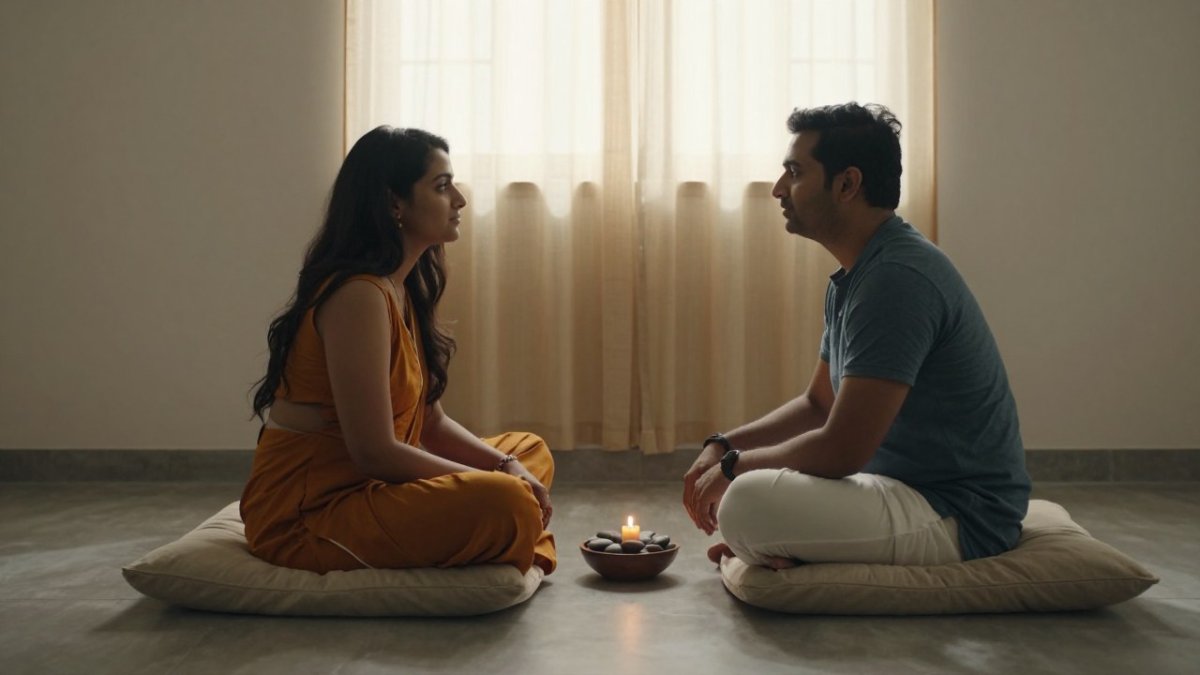
Breathing together can build closeness and reduce the feeling that one person is carrying the pressure. Sit or lie facing each other and take turns setting a slow rhythm. One partner inhales while the other exhales, then switch.

Try matching your exhales for one minute without talking. Partner-inclusive breathing like this makes anxiety feel shared and manageable rather than private and isolating.
Communication Scripts for Talking About Sexual Anxiety
Breathing helps in the body, but naming the worry helps in the relationship. These simple scripts can open the conversation:
"I've been feeling a lot of pressure around sex lately, and I'd like to slow down with you."
"Can we try some breathing together before we start? It helps me feel more present."
"I don't need to perform. I just want us to check in as we go."
Speak when you are both calm, not in the middle of an anxious moment. Keep the tone curious rather than blaming.
Booking Your First Somatic Session With The BodyVox
If anxiety keeps returning despite your practice, a somatic coach can help you work with the body in a guided, consent-focused setting. The BodyVox offers somatic sex and intimacy coaching built around a trauma-informed, client-led approach. You can book a call to talk through whether this kind of support fits your situation, and prepare for your first sex coaching session so you arrive ready.
Frequently Asked Questions
How can mindful breathing help with sexual anxiety?
Anxiety during sex often shifts the body into a stress response, with faster breathing, a tense pelvic floor and attention pulled toward performance. Slow, deliberate breathing signals the nervous system to settle, which can ease that physical tension and bring attention back to sensation. Mindful breathing does not remove anxiety overnight, but practiced regularly before and during intimacy it gives you a reliable way to come back to your body. If anxiety is persistent or distressing, a conversation with a qualified healthcare provider or sex therapist is a sensible next step.
What breathing exercises can help with performance anxiety?
Diaphragmatic breathing, slow nasal breathing and pursed-lip exhales are the most commonly used starting points. Diaphragmatic breathing involves breathing low into the belly so the lower ribs expand, which tends to lower heart rate. Nasal breathing slows the pace of inhalation and exhalation, and a longer exhale than inhale supports relaxation. Practice these alone for a few minutes daily first, so they feel familiar when you need them during intimacy.
How do you practice sexual mindfulness?
Sexual mindfulness means paying gentle, non-judgmental attention to what you feel in the present moment rather than evaluating your performance. Start by noticing sensations such as warmth, pressure, or the feel of breath, and when your mind drifts to outcomes, gently return to the sensation. Practicing this alone or during solo time helps build the skill before bringing it into partnered intimacy. Pace matters: moving slowly and checking in with your body often works better than trying to stay focused every second.
How can partners talk about sexual anxiety?
Choose a calm, non-sexual moment to raise the topic, and use simple statements about your own experience, such as saying you have been feeling pressure and want to slow down together. Avoid framing the conversation around what your partner is or isn't doing. Agree on a simple signal for pausing or taking a breath together during intimacy. If communication remains difficult, a couples therapist or somatic sex coach can help you build these conversations safely.
Breathing is a simple, portable way to ease sexual anxiety, and it works best when practiced daily and paired with honest conversation. If the pressure feels bigger than what breathwork alone can address, reach out to a qualified professional for support that fits your needs.